

Professional Maize Flour Mill Machine Manufacturer by Burt Machinery with Turnkey Design and Technical Support
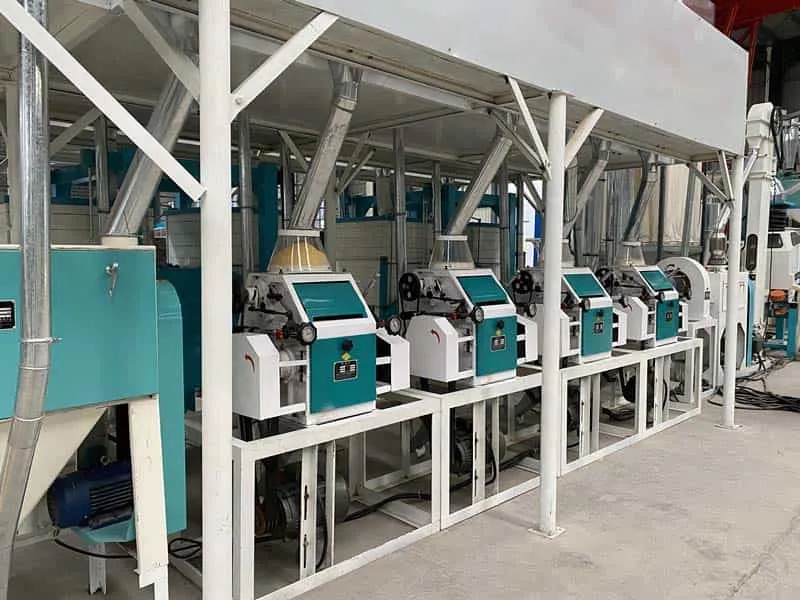
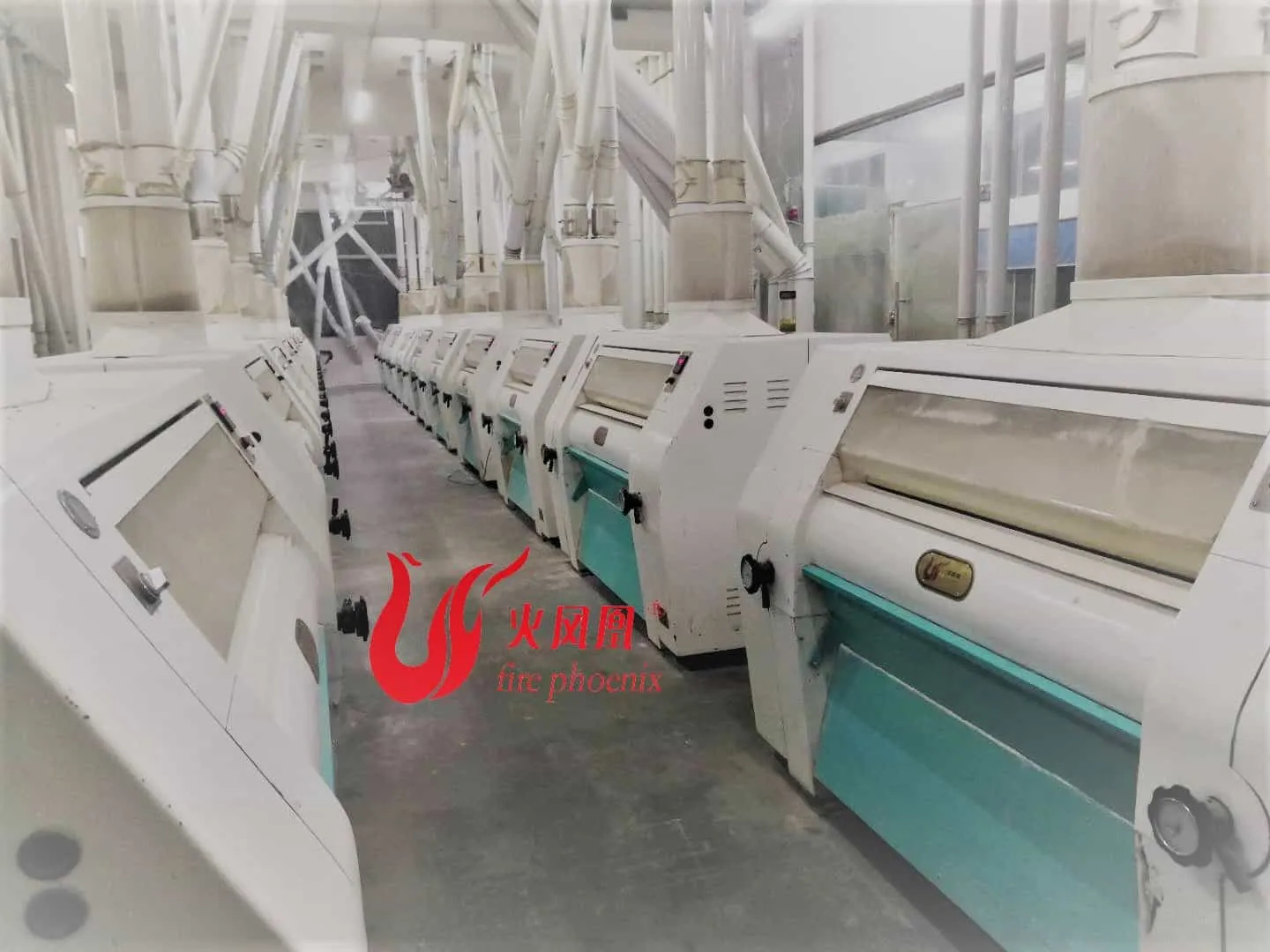
A Professional Manufacturer Coordinates Equipment, Process, and Project Delivery
The capability of a professional manufacturer is demonstrated through the seamless coordination of process engineering, capacity selection, equipment fabrication, installation, operator training, and final commissioning. Delivering a 50TPD maize flour production line, for example, requires cleaning, destoning, magnetic separation, degerming, milling, sifting, and packaging equipment to operate in complete synchronization. This level of technical alignment means that manufacturing expertise extends far beyond producing individual roller mills; it encompasses the exact matching of the entire process flow to prevent material blockages and optimize extraction rates.
By organizing these critical stages into a comprehensive turnkey project workflow, the supplier assumes continuous responsibility from the preliminary design phase straight through to production readiness. Feasibility analysis, precise plant layout, and targeted equipment selection form the foundation of this service scope. This structured delivery ensures that every processing module, from raw grain intake to final flour bagging, is engineered to work together, allowing facility owners to transition from project planning to full commercial operation with confidence and operational clarity.
Raw Material and Finished Product Requirements Drive Plant Design
Effective production line design must originate from specific operational parameters, including raw material characteristics, daily capacity targets, desired final products, fineness requirements, extraction rates, available workshop space, local voltage specifications, and final packaging formats. A structured quotation process collects these critical details—such as daily capacity, required flour fineness, exact workshop dimensions, and local power supply—before any engineering begins. These precise metrics form the minimum technical input necessary for accurate process design and proper equipment selection.
For large-scale operations, a 100–200TPD production line is engineered to process varying granulations of maize flour, maize meal, and maize grits, while accommodating multiple packaging weight ranges. This capability ensures that the final product planning and the backend packaging systems are synchronized during the initial design phase. By defining these exact requirements early, Burt Machinery translates raw grain characteristics, end-product targets, physical facility constraints, and packaging needs into executable project parameters, removing ambiguity and ensuring the final plant matches the buyer's commercial objectives.
Cleaning and Degerming Protect the Milling Section
The preparation stages—cleaning, destoning, magnetic separation, dampening, and degerming—are critical for controlling impurities and optimizing the physical state of the raw maize before it reaches the milling section. These initial steps establish the foundation for consistent flour quality and protect downstream equipment from damage and excessive wear. In a standard 50TPD configuration, the process sequentially deploys a vibrating screen, destoner, magnetic separator, and degerming equipment, directly connecting the raw material preparation phase to the milling, sifting, and packaging operations.
For industrial-scale applications, a 100–200TPD flow clearly divides the facility into distinct processing sections: storage, cleaning, dampening, peeling and germ extraction, flour milling, and final packaging. The vibrating screen and destoner manage physical impurities, the magnetic separator removes ferrous contaminants prior to grinding, and the dampening and germ extraction processes condition the maize before flour production begins. This clear segmentation ensures that every quality control point is easily identified and actively managed, resulting in higher-grade finished products and extending the service life of the primary roller mills.
Capacity and Output Data Must Remain Configuration-Specific
To maintain engineering accuracy, data regarding daily capacity, flour extraction rates, product fineness, total power consumption, and workshop dimensions must remain strictly tied to specific equipment configurations. These figures form the basis for reliable technical comparisons and binding contract specifications. For instance, a 50TPD production line explicitly lists a 75–80 percent flour yield, a 20–25 percent bran yield, and an adjustable fineness range of 40–200 mesh. These exact parameters are valid only for this specific setup and should be used exclusively for output planning tied to that exact model.
Different equipment ranges, such as the 5–50T/24H systems versus the larger 100–200TPD industrial lines, utilize distinct capacity, layout, and process references. Attempting to generalize the output data, power requirements, or physical footprint of a single machine model across an entire product portfolio creates a false operational baseline. By maintaining strict boundaries around configuration-specific data, buyers are protected from inaccurate performance analogies, ensuring that the technical documentation reflects the true capabilities of the purchased system.
Technical Support Covers Testing, Installation, Training, and Warranty
Reliable technical support requires a documented commitment that spans pre-delivery factory testing, comprehensive operational materials, defined installation responsibilities, personnel training, system commissioning, maintenance guidance, and clear warranty coverage. Before any equipment leaves the factory, rigorous testing and adjustments are completed to verify mechanical integrity. The machinery is supplied with detailed operational videos and instructional documentation, providing a solid foundation for acceptance inspections, mechanical assembly, and the initial preparation of the operating team.
This continuous chain of support extends well beyond the point of delivery. A standard one-year warranty on the entire machine, combined with the availability of engineers for on-site installation, ensures that physical implementation is handled professionally. Hands-on operator training and final system commissioning cover the critical nodes—from the moment the equipment leaves the manufacturing floor, through on-site execution, and into active commercial production. This comprehensive service framework guarantees that the facility operates efficiently and safely from day one.
Burt Machinery Provides a Structured Path to a Turnkey Maize Project
Transitioning from a project concept to an active milling facility requires precise technical alignment and comprehensive service delivery. By beginning with strict requirement definitions, the project advances logically from feasibility and layout planning through to equipment supply, installation, training, commissioning, and ongoing after-sales service. This approach provides a structured execution path for turnkey maize milling projects.
Procurement teams and facility investors can utilize this product and process data to evaluate cleaning, degerming, milling, sifting, and packaging stages across various capacity levels, translating technical comparisons into highly specific project discussions. To advance configuration planning, verify capacity details, and confirm delivery scope, buyers should submit their exact capacity, finished product, workshop, voltage, and packaging requirements to the engineering team. To begin planning a complete milling facility, visit https://www.burtmachinery.com/
Hanzhong Burt Machinery Equipment Co., Ltd.
Burt Machinery
email us here
Visit us on social media:
LinkedIn
Facebook
YouTube
Legal Disclaimer:
EIN Presswire provides this news content "as is" without warranty of any kind. We do not accept any responsibility or liability for the accuracy, content, images, videos, licenses, completeness, legality, or reliability of the information contained in this article. If you have any complaints or copyright issues related to this article, kindly contact the author above.
