
Top Spunlace Nonwoven Manufacturer Zhejiang Chenyang Advances Wipe Manufacturing Solutions
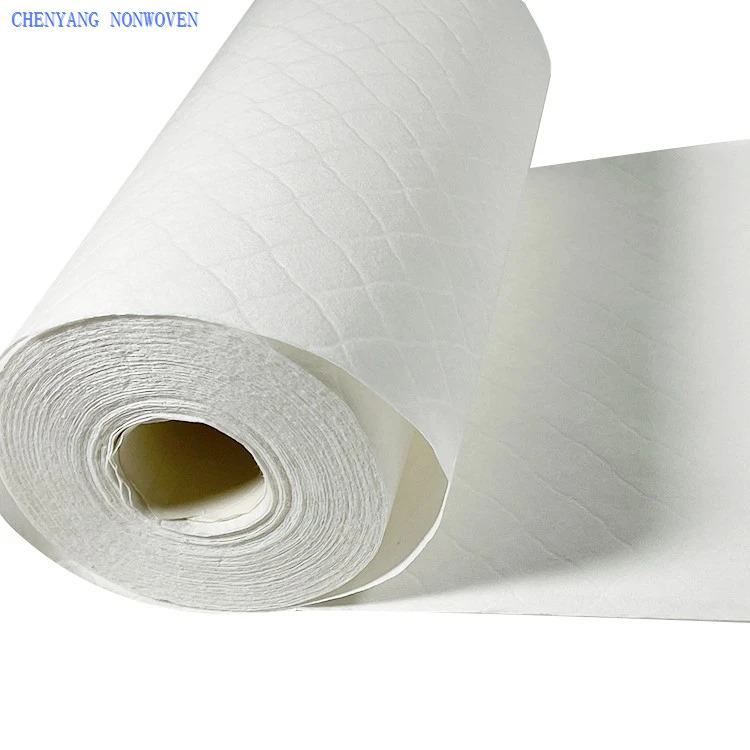
Wood Pulp Tencel Wipes Lint-Free Disposable Nonwoven Cleaning Cloths
HANGZHOU, ZHEJIANG, CHINA, October 21, 2026 /EINPresswire.com/ --
Zhejiang Chenyang Nonwoven Co., Ltd. is strengthening its position in the nonwoven materials sector through its integrated production of spunlace fabrics and finished wiping products. Based in Lin’an, Hangzhou, Zhejiang Province, China, the company serves customers across personal care, household cleaning, industrial maintenance, and other nonwoven product markets. With more than two decades of industry experience, it has developed manufacturing capabilities spanning nonwoven fabric production, converting, finishing, and customized product processing. Its portfolio includes Beauty Wipes and Color Catcher products, reflecting the diverse applications of spunlace technology in everyday consumer products.
Spunlace nonwoven fabric has become an important material in the global wipes industry because of its versatility, softness, and adaptability. Unlike conventional woven textiles, nonwoven materials are formed by bonding or entangling fibers through processes that do not require traditional yarn weaving. In spunlace production, high-pressure water jets entangle fibers into a cohesive web, creating a fabric whose properties can be adjusted through fiber selection, web formation, hydroentanglement, and finishing.
This process can produce materials with different levels of softness, strength, absorbency, thickness, and surface texture. Such flexibility makes spunlace nonwovens suitable for products ranging from facial cleansing wipes to household cleaning cloths and industrial wiping materials. For manufacturers and purchasing teams, the ability to select a material composition and fabric structure that matches the intended application is a key factor in product development.
Zhejiang Chenyang Nonwoven Co., Ltd. focuses on both nonwoven fabric manufacturing and finished-product processing. According to its published company information, its production operations include spunlace fabric lines and equipment for converting nonwoven materials into usable products. The company reports an annual nonwoven fabric production capacity of more than 6,000 tons and a factory area of approximately 18,000 square meters. These facilities support its supply of nonwoven materials and finished wipes to customers with varied specifications and order requirements.
The performance of spunlace fabric depends on the fibers used and the way they are processed. Common materials include viscose, polyester, cotton, wood pulp, and polypropylene, although not every fiber is suitable for every spunlace configuration. Viscose is often selected for its softness and liquid absorption, while polyester can contribute strength and durability. Cotton can be used where a natural-fiber component is desired, and wood pulp can contribute absorbency in selected composite materials. The final characteristics depend on the blend ratio, fiber quality, fabric weight, and production settings.
For manufacturers serving different markets, material selection must balance performance, cost, production requirements, and intended use. A fabric designed for facial care may prioritize softness and a smooth surface, while an industrial wiping cloth may require greater strength and resistance to abrasion. Household cleaning products may need to balance liquid absorption with sufficient durability for wiping surfaces. Spunlace technology allows manufacturers to adjust fabric construction to meet these different priorities.
Beauty Wipes represent one important application of spunlace nonwoven materials. Personal care products require substrates that feel comfortable against the skin while maintaining enough integrity to be handled during use. Depending on the intended formulation and product design, wipes may be used for facial cleansing, makeup removal, toner application, and other skincare routines. The substrate must work with the liquid formulation or be suitable for dry use, while retaining its structure during dispensing and wiping.
Zhejiang Chenyang Nonwoven Co., Ltd. offers materials and finished products for beauty-related applications, including facial cleansing products and other personal care formats. The company’s published product information includes facial cleaning towels and nonwoven pads developed for beauty and cosmetic use. Different fiber compositions can be selected to address specific product requirements, with options described on its website including cotton and viscose-based materials.
In beauty applications, softness is only one part of the performance equation. A suitable wipe should also have sufficient wet strength, a consistent surface, and a structure that does not easily break apart during normal use. For products intended to carry cleansing liquids or cosmetic formulations, absorbency and liquid distribution can influence the user experience. Manufacturers therefore need to consider how the nonwoven substrate interacts with the finished product, rather than evaluating fabric properties in isolation.
The converting process also affects the quality of Beauty Wipes. Fabric rolls may need to be slit, cut, folded, embossed, or otherwise processed into a final format. Dimensions, fold patterns, edge quality, and packaging compatibility can influence how the wipe is dispensed and used. For brands and distributors, consistent dimensions and reliable packaging are particularly important when products are sold in large quantities or across multiple retail channels.
OEM and ODM services can also be relevant in the beauty sector. Product developers may seek particular fabric weights, material blends, textures, sizes, colors, or packaging formats to align with a brand’s positioning. Zhejiang Chenyang Nonwoven Co., Ltd. describes its ability to support customized product development and processing. Specific customization options, minimum order quantities, and production lead times need to be confirmed according to the product design and order requirements.
Beyond personal care, the company supplies products for household applications, including Color Catcher sheets used during laundry. These products are designed to help absorb loose dyes released into wash water, reducing the risk of dye transfer between garments during mixed-color washing. Their function depends on the absorbent material, sheet construction, and formulation or treatment used in the finished product.
Color Catcher products illustrate how nonwoven materials can be engineered for a specific household task. The sheet needs to interact with water and dispersed dye while remaining intact throughout the washing process. Fabric density, thickness, absorbent capacity, and internal structure can influence the amount of liquid the sheet can hold and its handling characteristics. The finished product must also be designed for convenient placement in a washing machine and easy disposal after use.
Zhejiang Chenyang Nonwoven Co., Ltd. presents Color Catcher products as part of its household product portfolio. Its published product information highlights features such as higher density and thickness, a larger absorption area, and the ability to capture loose dyes. The company also describes the product as helping address discoloration during laundry. Actual performance can vary according to garment colors, dye types, water conditions, detergent, washing temperature, and load composition, so consumers should follow product instructions and garment-care guidance.
The production of Color Catcher sheets requires coordination between the base material and the finished product's intended function. A suitable nonwoven substrate needs adequate wet integrity and absorption characteristics. Converting operations must then produce sheets of consistent dimensions and thickness, while packaging needs to protect the products during transport and storage. Manufacturers may also need to consider labeling and instructions appropriate to different markets.
For household product brands, reliable production is important because consumers expect sheets within the same package to deliver consistent handling and practical performance. Batch consistency can be supported through controlled raw materials, defined process parameters, in-process checks, and final inspection. Product claims should also be matched to test results and documented performance, particularly when buyers are comparing different formulations or sheet constructions.
Zhejiang Chenyang Nonwoven Co., Ltd.'s wider portfolio includes household cleaning wipes, industrial wiping materials, medical wipes, facial cleaning towels, and other nonwoven products. This range allows the company to work across several segments that share a dependence on fabric formation and converting expertise but differ in their performance requirements. For example, industrial wipes may require strength and oil absorption, while facial products place greater emphasis on skin-contact characteristics and comfort.
Industrial applications represent another established market for spunlace materials. Workshops, manufacturing plants, laboratories, and maintenance operations use wiping products to remove dust, oil, moisture, and other residues from equipment or work surfaces. Depending on the task, a wipe may need to resist tearing, minimize lint, or absorb specific liquids. The fabric composition and texture must therefore be chosen according to the work environment and the type of contamination being handled.
The company offers industrial wiping materials that use different combinations of wood pulp, polyester, polypropylene, and other fibers. Its published product range includes heavy-duty industrial wipes and textured cleaning cloths. Certain fabric structures use embossed or patterned surfaces to improve contact with the surface being cleaned. The suitability of a specific wipe depends on the target application, cleaning chemicals, and the performance characteristics required by the end user.
Production quality is a central consideration across these markets. Spunlace fabric manufacturing involves fiber preparation, web formation, water-jet entanglement, drying, winding, and subsequent converting operations. Variations in fiber distribution, fabric weight, moisture content, or web structure can affect the final material. Manufacturers need to monitor production conditions and inspect finished rolls to identify defects and maintain consistent output.
Zhejiang Chenyang Nonwoven Co., Ltd. describes its facilities as incorporating spunlace production lines, water-pressure and filtration systems, and equipment for defect detection and online testing. These systems are intended to support fabric consistency during production. The company also reports the use of cutting, folding, punching, and packaging operations for converting nonwoven fabric into finished products.
Quality management extends beyond the production line. Customers may require information on material composition, fabric weight, tensile strength, absorbency, dimensions, linting, or other properties relevant to the application. Beauty products may also require appropriate assessments of skin-contact suitability and compatibility with their formulations. Laundry-related products may need performance testing aligned with the claims made for dye absorption. The precise tests depend on the product type and the customer's quality requirements.
The company reports that it has passed ISO 9001, BSCI, WCA, and SGS-related assessments or certifications. Such credentials can form part of a supplier's quality and social-compliance profile, but buyers should confirm the current validity, scope, and issuing organization of any certificate or audit report. Product-specific performance should be evaluated separately through appropriate technical documents and test results.
Environmental considerations are also influencing the nonwoven industry. Manufacturers and buyers are examining fiber sourcing, production efficiency, packaging, waste reduction, and the disposal characteristics of finished products. Different fibers and bonding methods can have different environmental implications, so sustainability claims need to be based on the actual composition and life cycle of the product. A nonwoven product should not be described as biodegradable, recyclable, or flushable without evidence supporting the specific claim and conditions of use.
For Zhejiang Chenyang Nonwoven Co., Ltd., the ability to offer different material compositions and customized specifications can help customers evaluate alternatives for particular product requirements. The company's website describes research and development activities intended to support new product concepts and changing market needs. OEM and ODM services can allow buyers to discuss material combinations, product dimensions, textures, and packaging formats, subject to technical feasibility and production arrangements.
International sourcing requires additional coordination. Buyers may need samples, technical data sheets, certificates, packaging specifications, and information about production and delivery schedules before placing an order. For finished wipes, packaging and storage conditions can affect product condition during transport. Clear communication about the intended use, destination market, and required documentation helps manufacturers and customers align product specifications with procurement requirements.
Zhejiang Chenyang Nonwoven Co., Ltd. is located in Lin'an, Hangzhou, Zhejiang Province, an area connected to China's broader manufacturing and textile supply chains. The company's factory address is listed as No. 7, Shangde Street, Gaohong Town, Lin'an District, Hangzhou, Zhejiang, China. Its production experience and integrated operations provide a base for serving domestic and international customers across nonwoven fabric and finished wiping product categories.
The outlook for spunlace nonwovens will continue to be shaped by the needs of personal care, household cleaning, and industrial maintenance markets. Buyers increasingly look for materials that combine appropriate functional performance with consistent manufacturing, customized formats, and dependable supply. For manufacturers, meeting these expectations requires a balance of process control, material expertise, product development, and customer communication.
Within this landscape, Zhejiang Chenyang Nonwoven Co., Ltd. brings together spunlace fabric production and finished-product processing across a diverse range of applications. Its Beauty Wipes and Color Catcher products demonstrate two distinct uses of nonwoven materials: one focused on personal care and skin-contact comfort, and the other on laundry-related dye absorption. Both require suitable substrate design, consistent converting, and clear performance specifications.
As brands and distributors continue to refine their product portfolios, manufacturers with experience in both fabric production and finished goods can provide a practical foundation for sourcing discussions. By evaluating material composition, performance requirements, customization needs, quality documentation, and destination-market regulations, buyers can make more informed decisions when selecting spunlace nonwoven products for their businesses.
About Zhejiang Chenyang Nonwoven Co., Ltd.
Zhejiang Chenyang Nonwoven Co., Ltd. is a nonwoven fabric and finished-product manufacturer based in Lin'an District, Hangzhou, Zhejiang Province, China. With more than 20 years of industry experience, the company specializes in spunlace nonwoven fabric, cleaning wipes, personal care products, household cleaning products, and industrial wiping materials. Its product portfolio includes Beauty Wipes, Color Catcher products, facial cleaning towels, household wipes, medical wipes, and industrial cleaning cloths.
The company reports a factory area of approximately 18,000 square meters and annual nonwoven fabric production capacity exceeding 6,000 tons. Its manufacturing operations cover spunlace fabric production and converting processes such as cutting, folding, punching, and packaging. It also offers OEM and ODM services to customers seeking customized materials, product formats, and related manufacturing solutions.
Zhejiang Chenyang Nonwoven Co., Ltd. describes its quality-management approach as incorporating production monitoring, defect detection, and product inspection. Its published company information references ISO 9001, BSCI, WCA, and SGS-related certifications or assessments. Business customers can contact the company to confirm current certification details, product specifications, samples, and customized order requirements.
For further information about its spunlace nonwoven materials, Beauty Wipes, Color Catcher products, and other manufacturing services, visit www.nonwoven-china.net.
Address: No.7, Shangde Street, GaoHong Industry Zone, Linan, Hangzhou City, Zhejiang, China
Official Website: https://www.nonwoven-china.net/
Shirley
Zhejiang Chenyang Nonwoven Co., Ltd.
cy@zjchenyang.com
Legal Disclaimer:
EIN Presswire provides this news content "as is" without warranty of any kind. We do not accept any responsibility or liability for the accuracy, content, images, videos, licenses, completeness, legality, or reliability of the information contained in this article. If you have any complaints or copyright issues related to this article, kindly contact the author above.
